TLDR - They’re amazing for two different briefs
CGI product video is the right call when the product doesn't exist yet, when the shot lives inside or through the product, or when the look has to be non-literal.
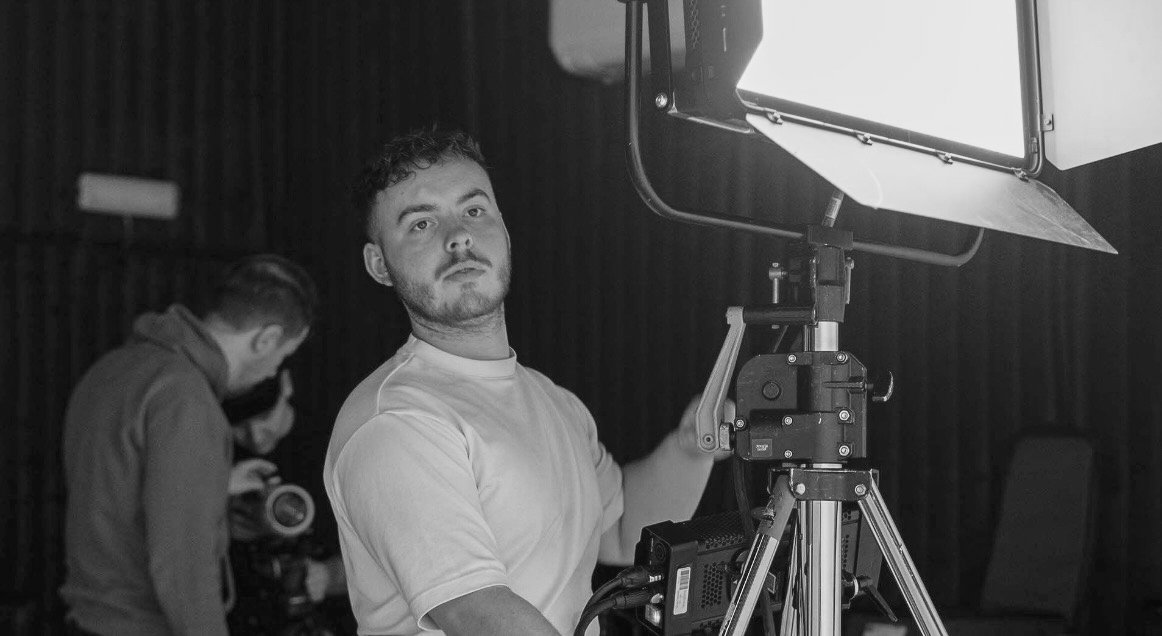
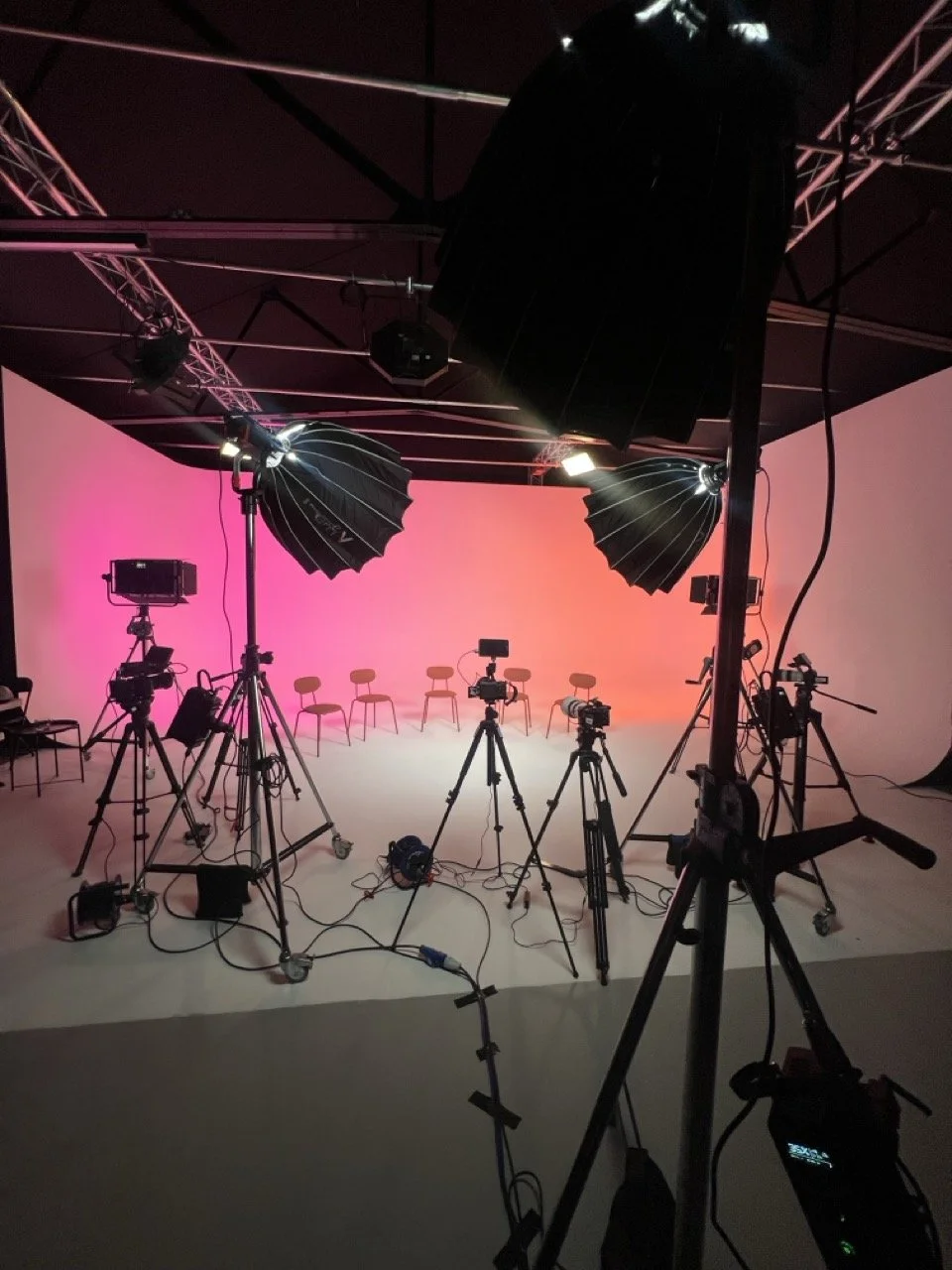
Live action is the right call when the product exists, photographs well, and people are in the story.
Cost? In London, a CGI product film runs £8,000 to £40,000 depending on product complexity and deliverable count. A comparable live action shoot runs £3,500 for a single day and £8,000 to £20,000 for campaign work.
Weighing up a product film and not sure which way to go? Get a free, no-obligation quote.
Our CGI Product Video Experience
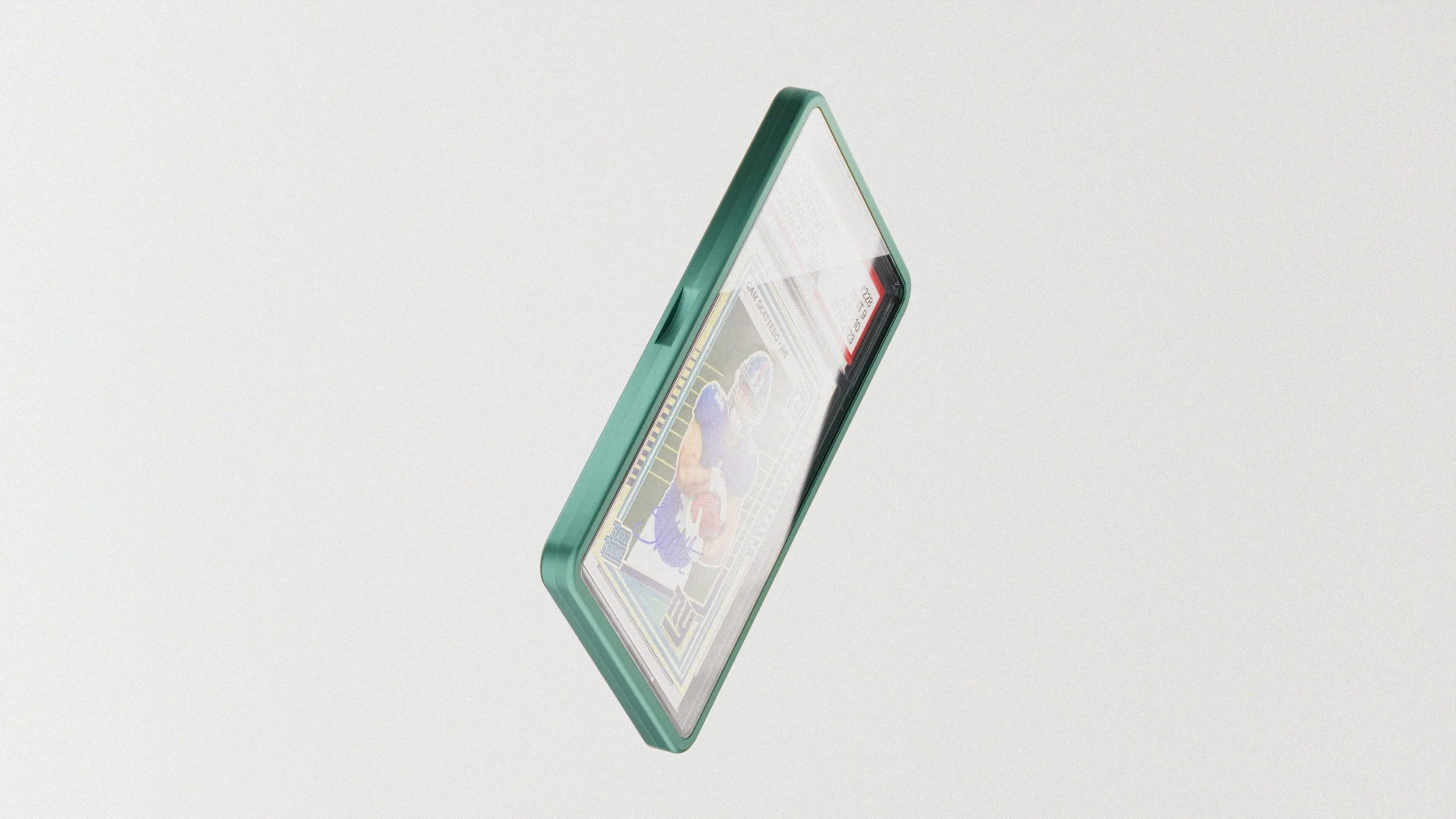
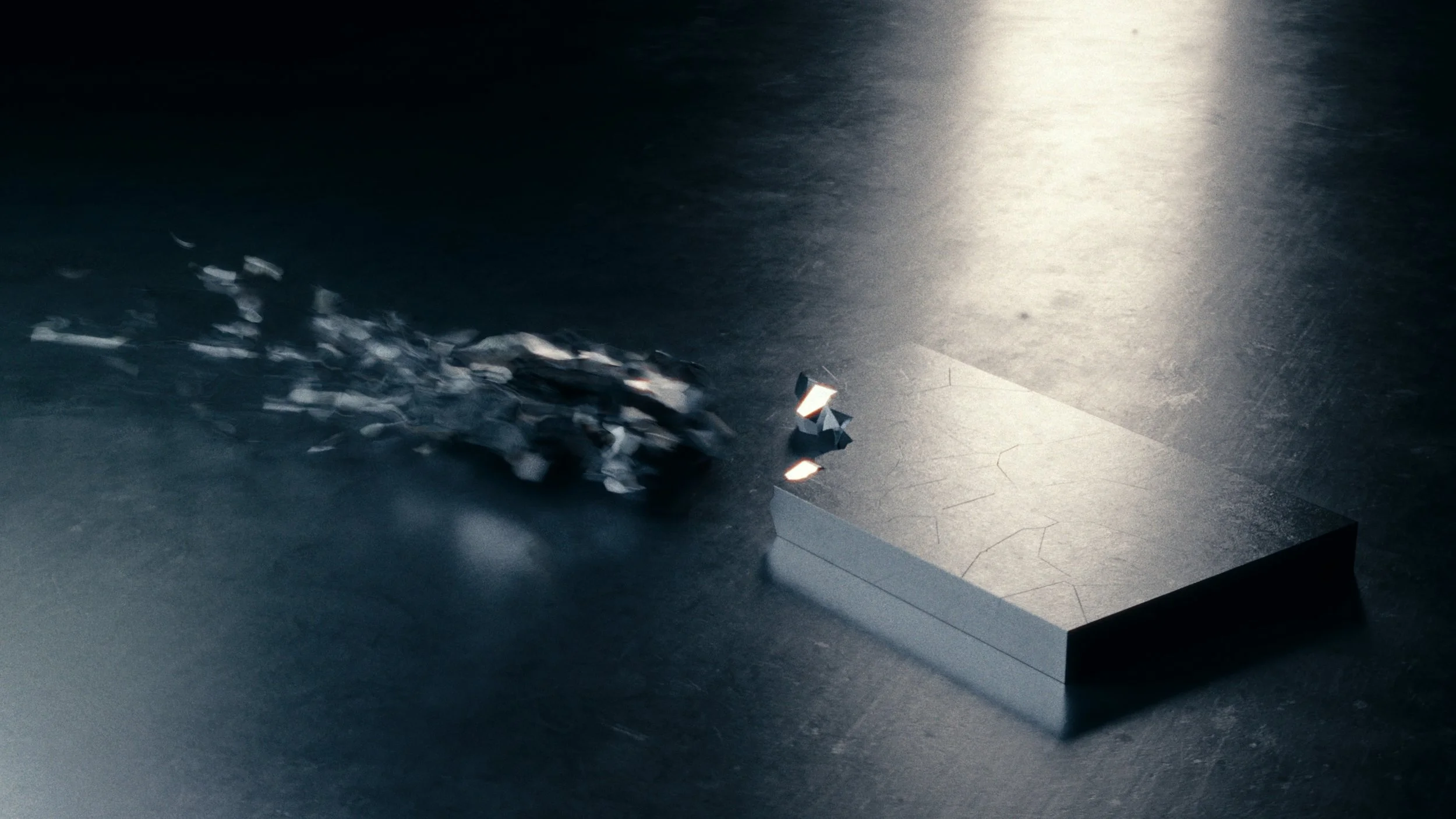
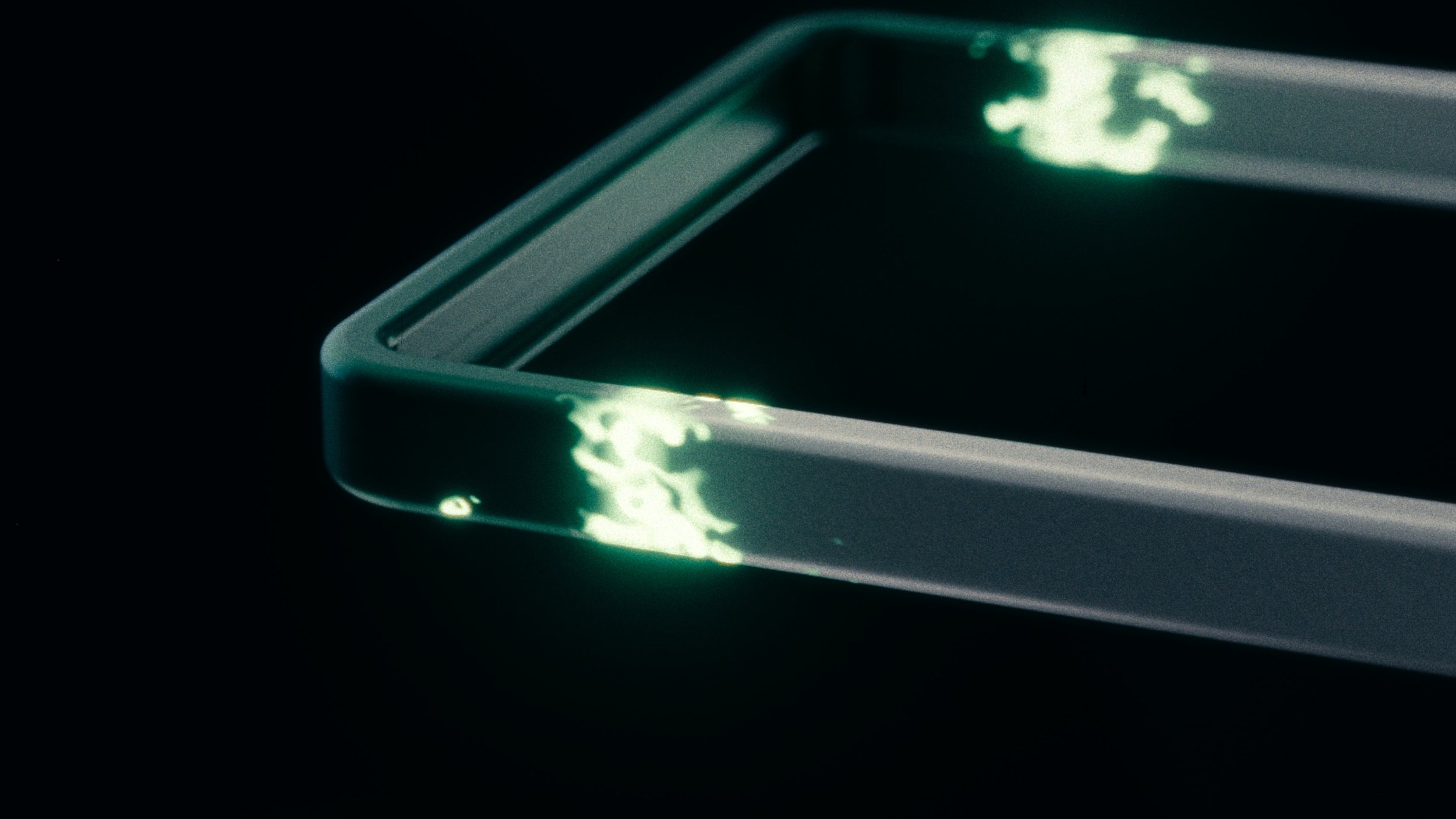
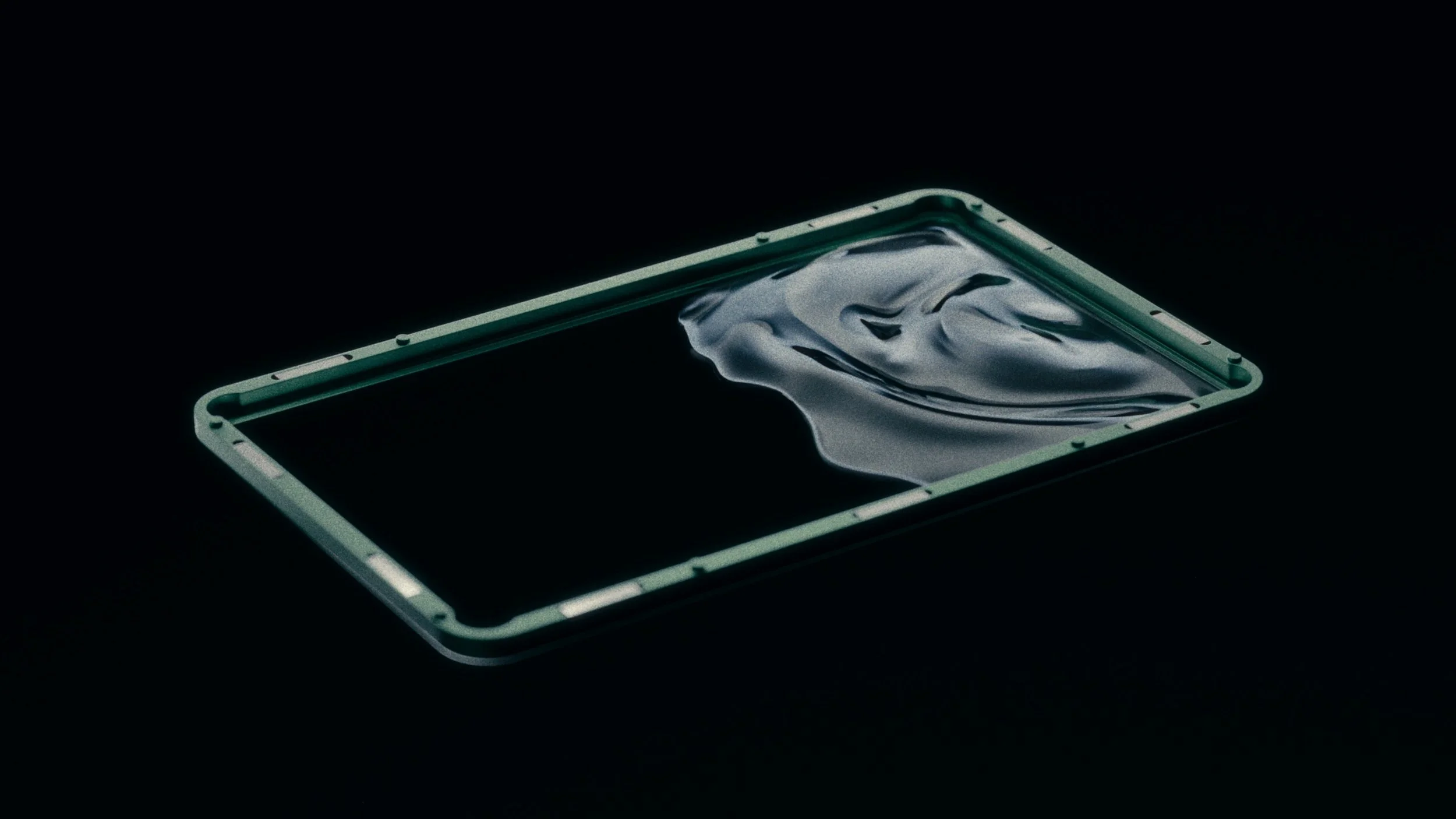
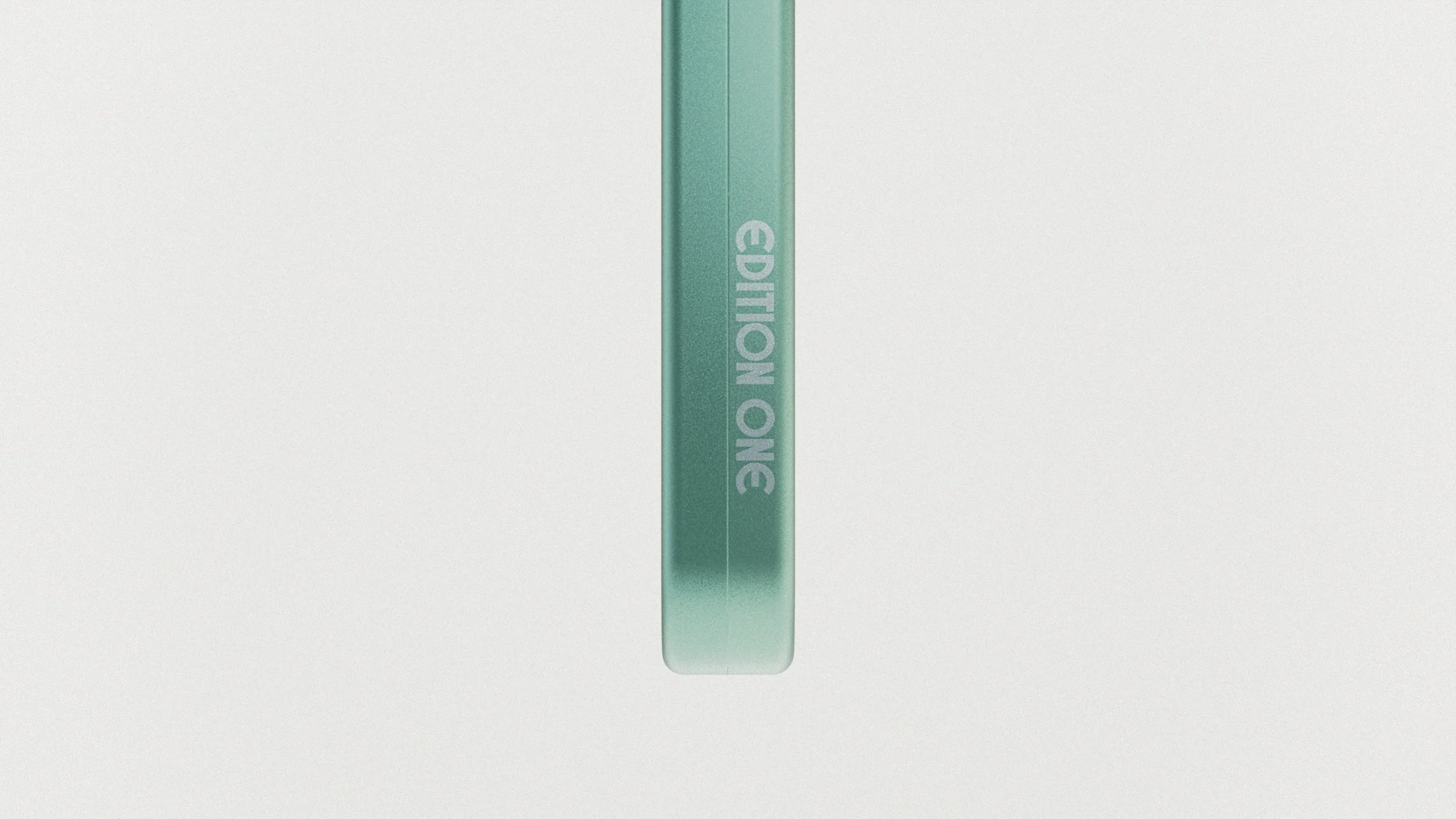
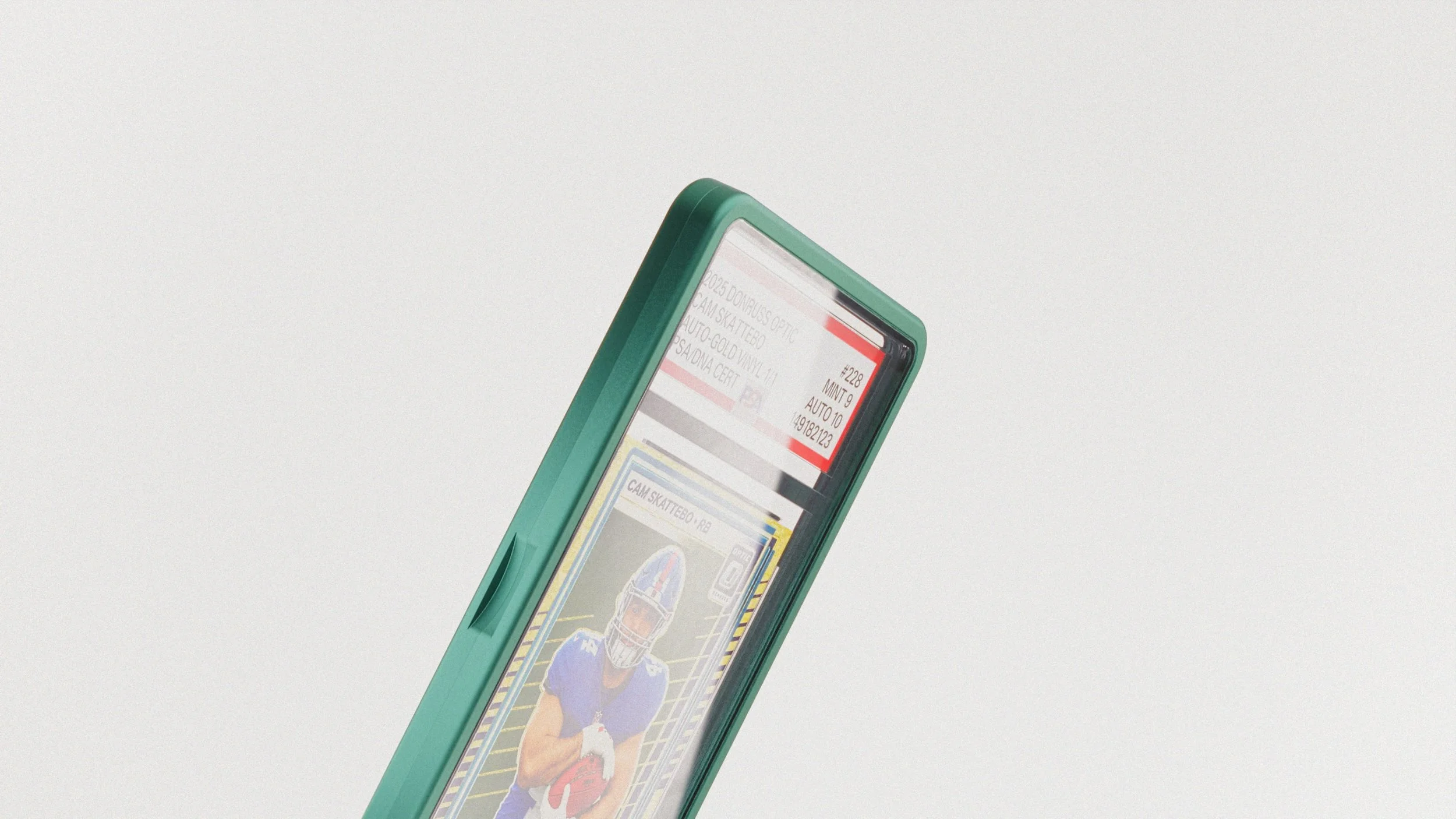
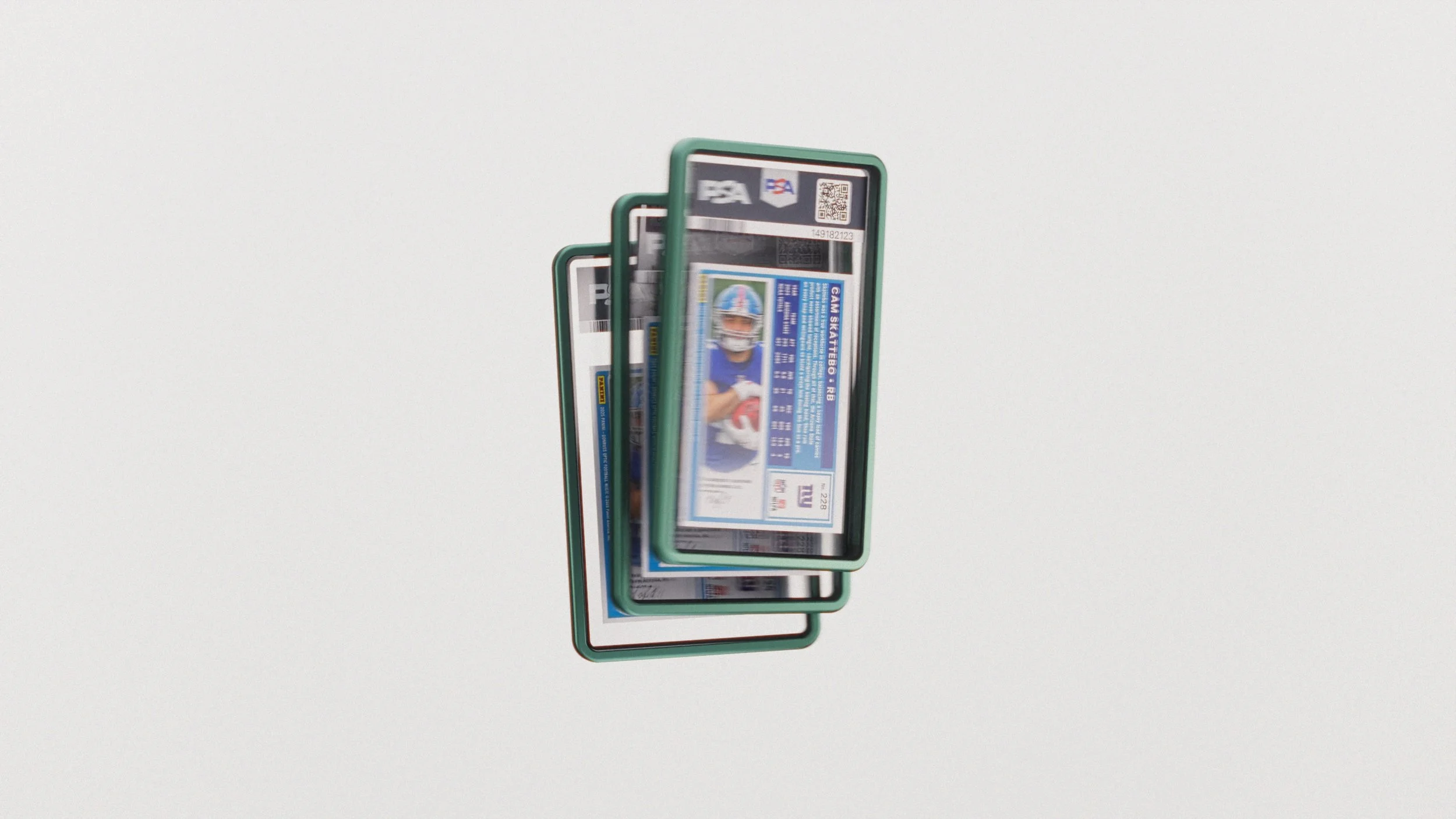
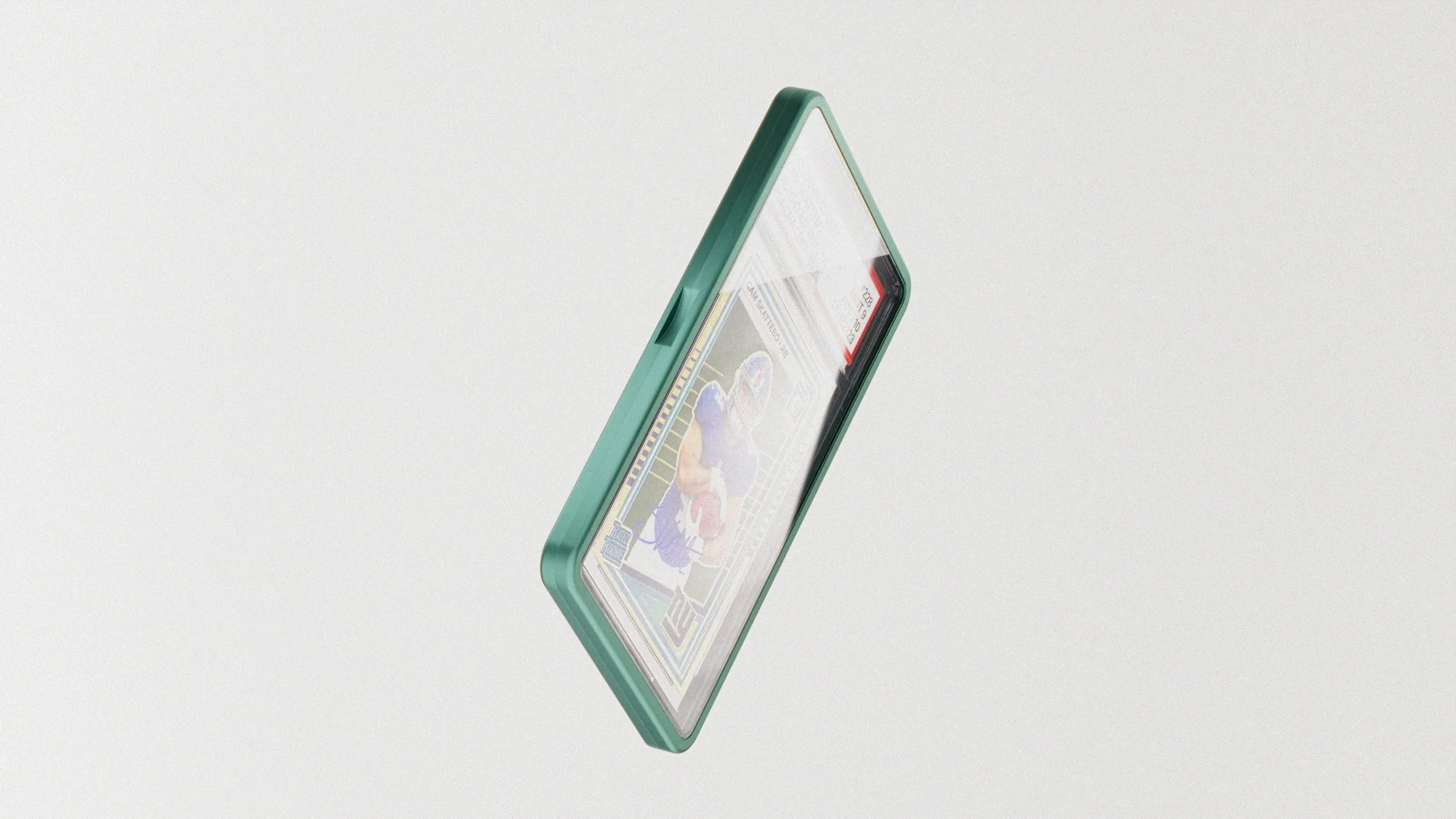
Edition One came to us with a bold ask: launch their new card protector with a video that stops the scroll. Using photorealistic 3D CGI animation and precision sound design, we built a cinematic product reveal that made their launch truly impossible to ignore.
So we went fully CGI, brought in a 3D designer for the modelling, and I held onto the creative direction, the edit, the grade and the sound design. The idea we landed on was an exaggerated version of how the product actually gets made. Real manufacturing process, dialled up.
To learn more about this project, check it out inside our portfolio.
CGI vs live action: side-by-side comparison
| Live action | CGI | |
|---|---|---|
| Product must exist | Yes, physically, in final finish | No. CAD data or reference photos are enough |
| Typical cost (London) | £8,000 to £40,000 | £8,000 to £20,000 |
| Typical timeline | 4 to 6 weeks | 6 to 12 weeks |
| Camera angles | Limited by physics and lens minimum focus | Unlimited, including inside the product |
| People on screen | Strong | Weak. Avoid |
| Organic texture (fabric, food, liquid) | Strong | Possible, expensive |
| Revisions after delivery | Requires a reshoot | Re-render, no reshoot |
| Reuse on the next campaign | Limited to what you shot | Model and materials reused at a fraction of the cost |
| Colour accuracy to the real product | Guaranteed, it’s the actual product | A real risk, needs managing |
| Best for | Lifestyle, founder-led, in-situ, testimonial, simple product hero | Launches, pre-production products, technical reveals, non-literal looks |
Neither column is the premium option. They solve different problems.
Project breakdown from a real CGI production (5 Minutes)
In the above video, Luther M E Bottrill breaks down the full production process of a CGI product reveal/teaser video. Showing the tools like Cinema 4D, DaVinci Resolve, and Milanote used to make a project like this.
What can CGI do that a camera physically can't?
CGI Video Production can do unique things, and they're the only three that justify the spend.
Angles that don't exist
A camera has to fit somewhere. Inside a sealed unit, through a component, at a scale where a macro lens gives you two millimetres of focus. In 3D, the camera is a number, allowing us to create impossible shots.
Products that don't exist yet
Pre-launch, pre-tooling, one hand-finished sample in the wrong colourway. With CAD data or a decent set of reference photos, the film gets made before the product does. This is unique to CGI product videos, so if you’re tight for time, CGI wins. If this is you, you can receive a no-obligation, free quote within 24 hours.
A look that isn't literal
Edition One's film shows the product forming out of an exaggerated version of its own manufacturing process. There is no set where that happens. Everything else people claim for CGI is a nice-to-have. Reusability is real, but it pays off on project two rather than project one, so it isn't a reason to start.
What can't CGI do?
People
In our experience, faces, hands, and the moment someone reacts to the thing they're holding come across poorly in most commercial CGI. If you’re planning to have a person or life-like animal in your video, we’d recommend opting for a real shoot.
Organic texture
Fabric, food, liquid, worn leather are simply more challenging. It can be built. It does add some cost to build convincingly.
Anything simple, quickly
Planning on shooting a clean product on a sweep for a paid social test? That’s a job for a top-down shot over a turntable. If the product photographs well and the brief is straightforward, filming IRL can be faster, cheaper and better. For a look at our IRL shoots, view our showreel.
How much does a CGI product video cost in the UK?
TLDR: A CGI product film in London runs £8,000 to £40,000. Where yours lands depends on four things.
Product and texture complexity.
A moulded plastic housing is simple to create in CGI. A watch movement, a textile weave, or anything with hundreds of individual components can take weeks.
Whether usable CAD exists
If your design or manufacturing team can supply STEP or native CAD files, modelling time drops significantly. Without it, the model gets built from photographs, which is slower and less accurate.
Shot count
Each distinct setup is separate look development and separate render time. A six-shot film costs meaningfully more than a three-shot film of the same length.
Deliverables list
One 30 second hero, or a hero plus five platform cutdowns plus a stills set plus a turntable loop for the PDP.
Where the money goes is different from a shoot. You're not paying for crew days, locations, catering and kit hire. You're paying for modelling hours, look development, render time, and post. Render time in particular is a real line item that clients rarely expect, and it's the reason "just change the colour" is sometimes a two-day job.
The efficiency arrives on project two. Model built, materials built, lighting rig built. A second film, a new colourway, or a stills set costs a fraction of the first. If you're planning a product family or an annual refresh, that changes the maths considerably.
For comparison, our published production ranges put a single live-action shoot day with full post at £3,500, campaign productions at £8,000 to £20,000, and flagship work at £25,000 and up.
How long does a CGI product film take?
Six to twelve weeks from confirmed brief to final delivery, against four to six weeks for a comparable live action shoot.
The shape is different too. A shoot front-loads risk into one or two days: if the day goes badly, you know immediately. CGI back-loads it. Weeks one to three are modelling and look development, where nothing looks finished and it's easy to lose confidence. The film only starts existing around week five.
Rough breakdown for a mid-complexity product:
Weeks 1 to 2. Concept, storyboard, reference and look direction.
Weeks 2 to 4. Modelling and texturing. Colour and material sign-off happens here, and it's the most important approval in the project.
Weeks 4 to 6. Animation and previs. First time you see it move.
Weeks 6 to 8. Final rendering. Largely a waiting game, and the reason late changes hurt.
Weeks 8 onwards. Edit, colour grade, sound design, revisions.
Late-stage changes to geometry or materials mean re-rendering, which is why the sign-off at week four matters more than any other date in the schedule.
What does a 3D studio need from you?
Send these upfront, and you'll cut weeks off the timeline, bring the total cost down, and potentially save a couple of headaches.
CAD files
STEP, IGES, or native from your design team. This is the single highest-value thing you can provide.
Physical reference photography
Every angle, in even light, including the underside and any hidden joins. Phone photos are fine for geometry.
A physical sample sent to the studio
Not always necessary, but this allows you to skip the above step.
Pantone or hex references
For every finish, plus material names (anodised aluminium, matte soft-touch, brushed steel, etc)
Brand guidelines
Including any motion or typography rules. Many CGI videos also feature graphic callouts.
The deliverable list and aspect ratios
All of them, before modelling starts.
Which one does your brief need?
Film it when the product exists and photographs well. When people are in the story. When the environment is a real place and that matters. When it's one clean deliverable on a short turnaround. When budget is tight and the work needs to be honest rather than impossible.
Go CGI when the product doesn't exist yet. When the shot lives inside something. When the look has to be non-literal. When you need an asset library across a year of campaigns rather than a single film. Or when, like Edition One, everything shot looks wrong for the brand.
Do both when the product hero is CGI and the human context is filmed. That's how most premium tech advertising is built. It's also the most expensive route, so make it a decision rather than something you drift into.
Frequently asked questions
Is CGI cheaper than filming a product?
A CGI product film in London typically runs £8,000 to £40,000, compared with £3,500 to £20,000 for a comparable live-action shoot.
Can you make a product video before the product exists?
Yes, and it's the strongest argument for CGI. With CAD data or detailed reference photography, the film can be produced ahead of manufacturing. This is how most technology launches make their announcement date.
Do you need CAD files for a 3D product animation?
No, but they help enormously. Without CAD, the model is built from reference photographs, which takes longer and carries more accuracy risk. If your design or manufacturing team can supply STEP or native files, provide them at briefing.
How accurate is CGI to the real product?
Geometry can be effectively exact. Colour and finish are the risk, particularly when the studio is working from photographs rather than a physical sample. Send a sample if colour accuracy matters to your brand.
Is AI the same as CGI?
No. AI generates images from prompts with limited control over specifics. CGI is built deliberately, which means every dimension, material and camera move is exact and repeatable. On the Edition One film we used AI images in pre-production to communicate ideas quickly. None of the final film is AI generated.
Can CGI and live action be combined in one film?
Yes, and for premium products it's often the right answer: CGI for the product hero, live action for the human and environmental context. It costs more than either route alone, so it should be a deliberate decision at briefing rather than something added later.
How long does a CGI product video take to produce?
Six to twelve weeks from confirmed brief to final delivery, depending on product complexity and deliverable count. Material and colour sign-off around week four is the most important approval date, because changes after final rendering begins mean re-rendering.
Recommended production partners in London
Commercial studio that scales to 10+ crew. Strong across sport, fashion, ecommerce, and 3D motion. Suits £5k to £50k briefs. Ready to take your video content to the next level? Book a call with LutherMEB Productions and find out how we could be a good fit for you.
Read More Insights
Looking for more insights into the world of commercial video production and photography? Browse the LutherMEB Productions insights for practical guides, pricing analysis, gear breakdowns and much more.